





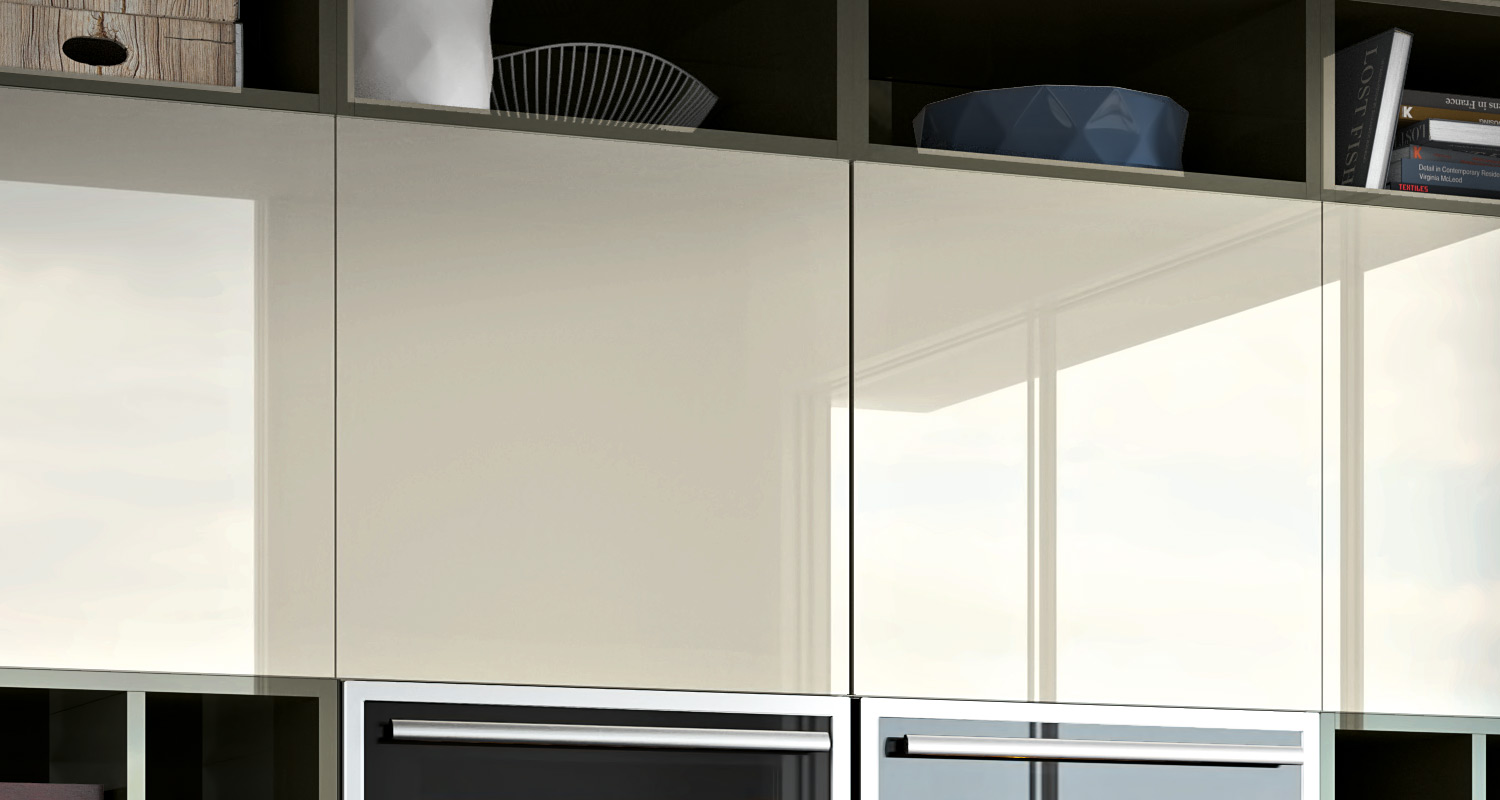
Glass doors
Characterised by a compact, non-porous surface, glass is extraordinarily resistant to staining and limescale, especially when the glass is polished.
To clean glass, there are specific products that are easily available on the market, but we can also carry out perfect cleaning and effective maintenance using more economical and ecological solutions.
What to avoid
- Avoid applying products containing (or derived from) hydrofluoric acid, fluorine, chlorine or ammonia, which can deteriorate the glass surface.
- Do not use very acidic or very alkaline detergents as they will damage the surface.
- Do not dry-clean encrusted dirt.
- Do not bring the doors into contact with metal materials, hard stones, ceramics, tiles, crystal, which could scratch the surfaces.
How to clean
- Wipe the door with a soft sponge or rubber squeegee using plenty of water and a specific glass cleaner.
- As an alternative to detergents, use a hot water solution, preferably low in lime, with 30% vinegar and rinse with a soft cloth.
- Before treating dirt residues, they should be softened by spraying them with special detergents or a solution of hot water and vinegar with a sprayer.
- In the case of stubborn dirt, solvents such as isopropanol or acetone can be used, avoiding applying the substances to the inside of the panel.
- At the end of each treatment, always dry with a soft, clean cloth (preferably microfibre or buckskin) or a glass wiper to remove any marks.
